


information to be updated

ارسال بازخورد
تولیدکنندگان نانو سیلیکا سل
سل سیلیس که با نامهای سیلیس کلوئیدی یا سیلیس هیدروسل نیز شناخته میشود، یک نانو ماده عالی است. این یک محلول کلوئیدی است که توسط ذرات سیلیس آمورف به طور یکنواخت در آب یا حلال های آلی پراکنده شده است. این بی بو و غیر سمی است، با فرمول مولکولی که به صورت mSiO2·nH2O نشان داده می شود. اندازه ذرات سیلیکا سل معمولاً بین 1 تا 100 نانومتر است که سطح ویژه و ظرفیت جذب بالایی را ارائه می دهد. به عنوان یک محلول کلوئیدی با ویسکوزیته کم، پراکندگی خوبی دارد و به آن اجازه نفوذ و پر کردن مواد جامد، به ویژه مواد متخلخل را می دهد و سطوح آنها را صاف می کند.
علاوه بر این، سل سیلیس دارای خاصیت چسبندگی قوی است که آن را قادر می سازد ساختارهای ژل سختی را با مواد دیگر تشکیل دهد و در نتیجه استحکام پیوند قابل توجهی را ایجاد کند. بنابراین، سل سیلیس به طور گسترده ای در صنایعی مانند ریخته گری دقیق، پوشش ها، نساجی، کاغذ سازی، پتروشیمی ها و الکترونیک استفاده می شود. به عنوان یک عامل پیوند برای مواد آلی و معدنی عمل می کند و نقش مهمی در این زمینه ها ایفا می کند.
درباره
Tongxiang Hengli Chemical Co., Ltd.
Tongxiang Hengli Chemical Co., Ltd. متخصص در تولید محصولات سیلیکونی معدنی, ما هستیم چین تولیدکنندگان نانو سیلیکا سل و
شرکت عمده فروشی نانو سیلیکا سل, محصولات ما با بیش از 30 نوع محصول از جمله سیلیکات سدیم، سیلیکات پتاسیم، سیلیکات لیتیوم، سیلیکا سل، متیل سیلیکات پتاسیم و چسبهای معدنی مقاوم در برابر دمای بالا. ما پردازش OEM را ارائه میدهیم، برای سفارشیسازی مدولها و غلظتهای مختلف با ما تماس بگیرید. نانو سیلیکا سل.
این شرکت در سال ۲۰۱۵ به طور کامل به منطقه توسعه اقتصادی فنگمینگ در شهر تونگشیانگ نقل مکان کرد و مساحتی بالغ بر ۱۸ هکتار و زیربنایی نزدیک به ۳۰۰۰۰ متر مربع را در بر میگیرد. این شرکت دارای یک پرسنل فنی در سطح ملی و سه پرسنل فنی ارشد است.
ادغام توسعه، تولید و فروش محصول! این محصول به طور گسترده در صنایعی مانند الکترونیک، پوشاک و کاغذسازی، کشاورزی، پوششهای پایه آب، ریختهگری ماسهای، ریختهگری دقیق و مواد نسوز استفاده میشود. ما صمیمانه از همکاری با شما برای ایجاد آیندهای بهتر با هم استقبال میکنیم!
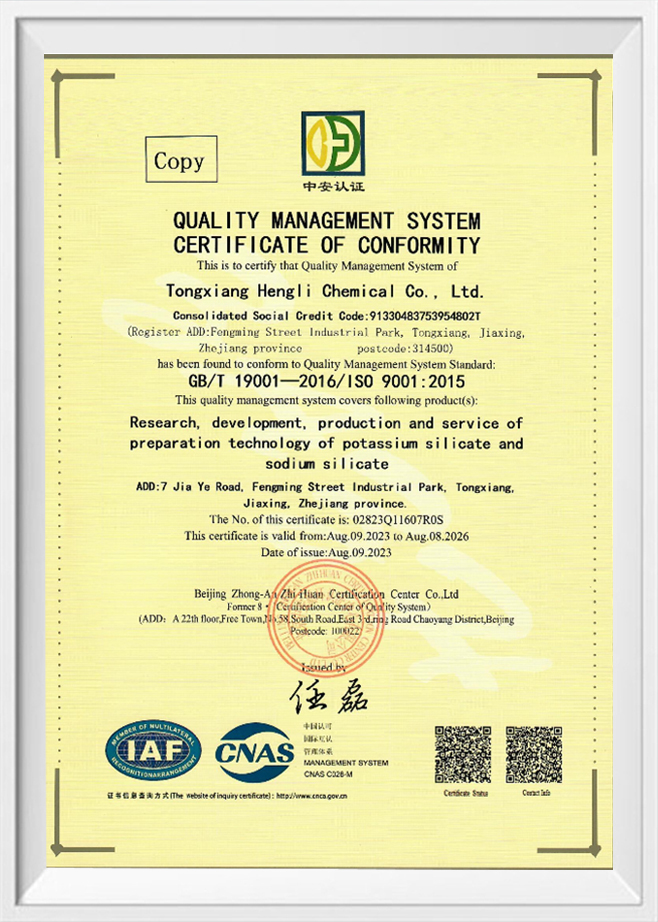
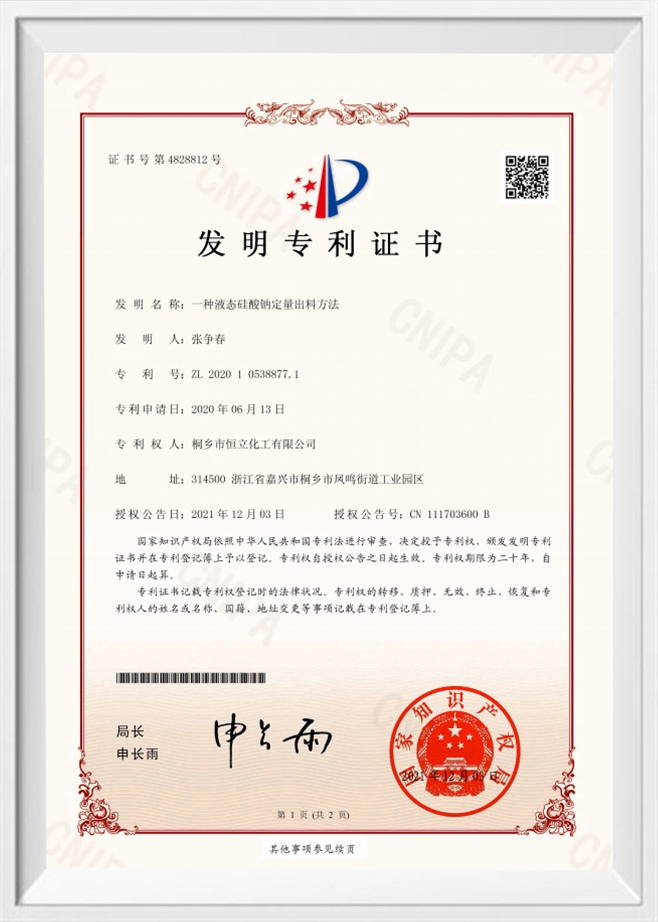
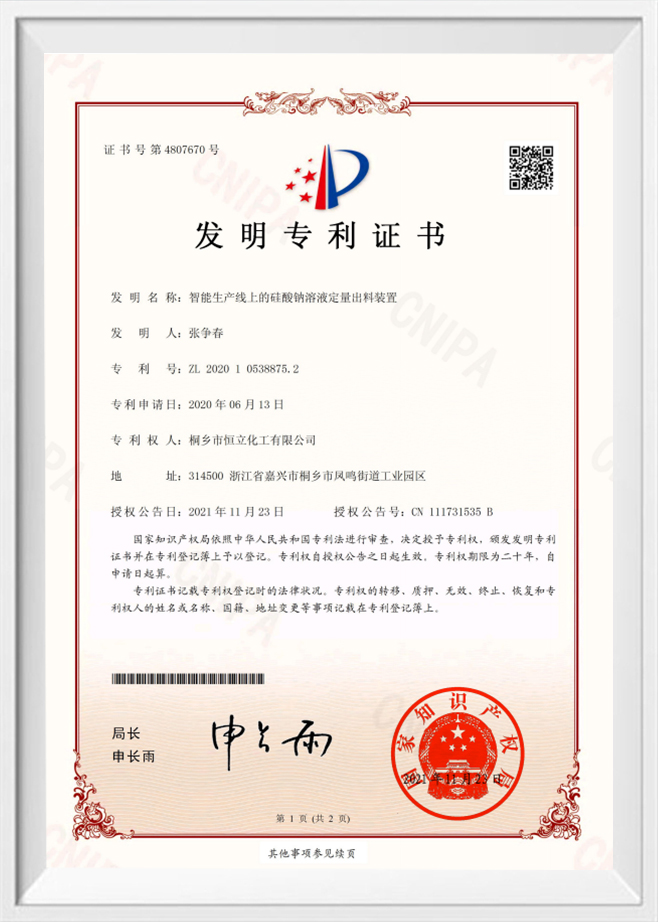
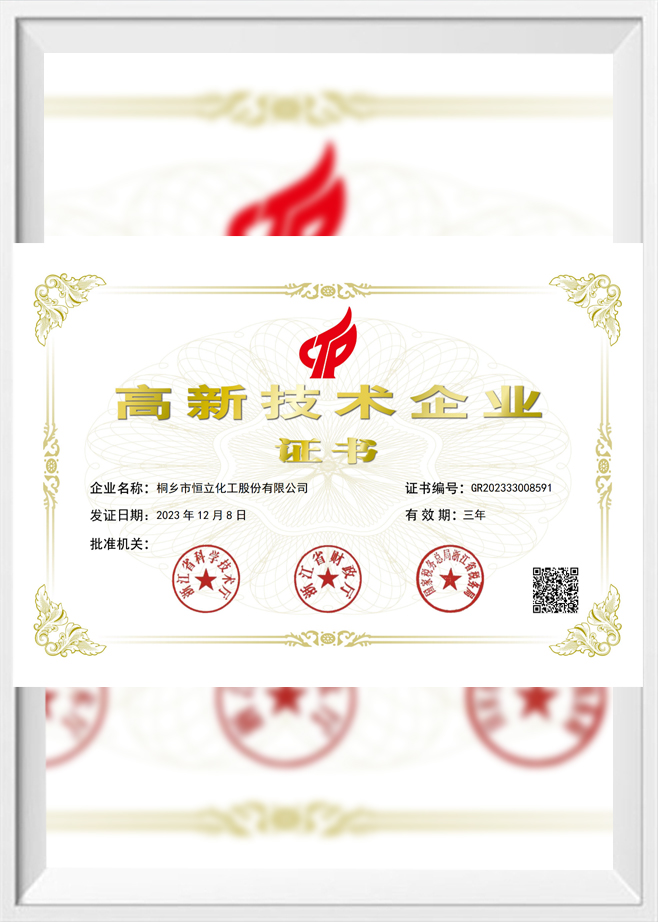
گواهی افتخار
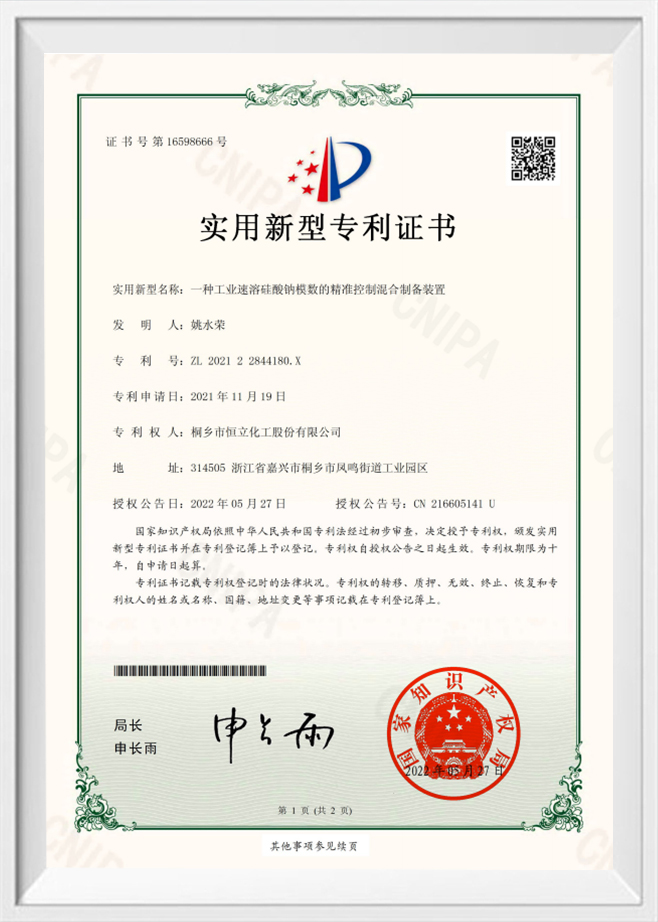
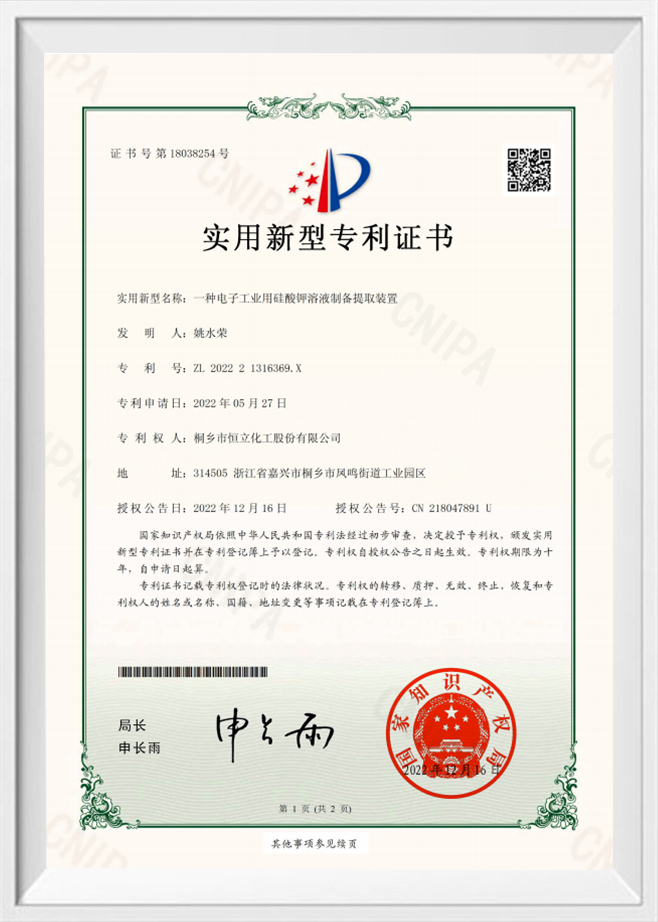
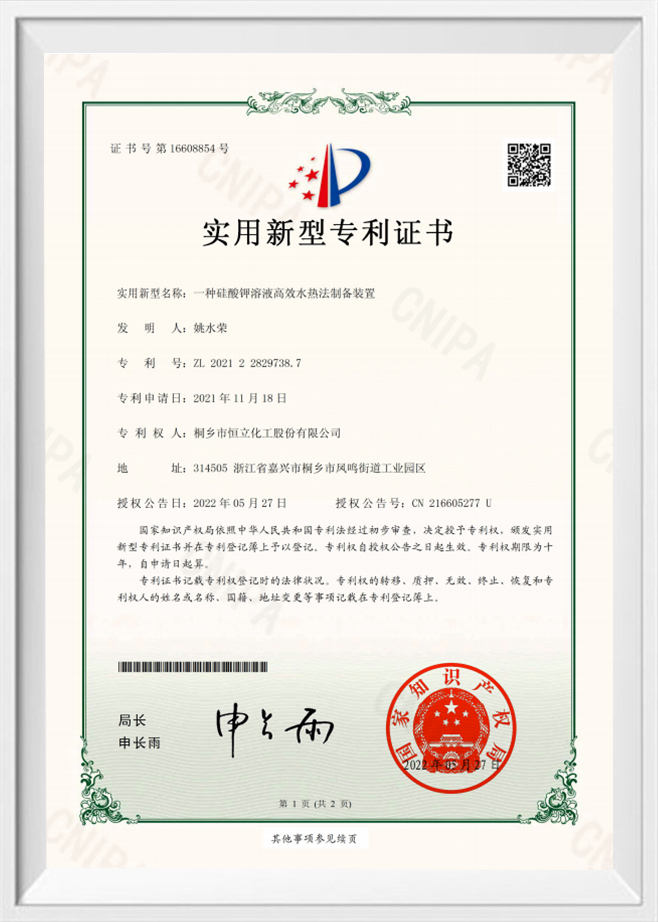
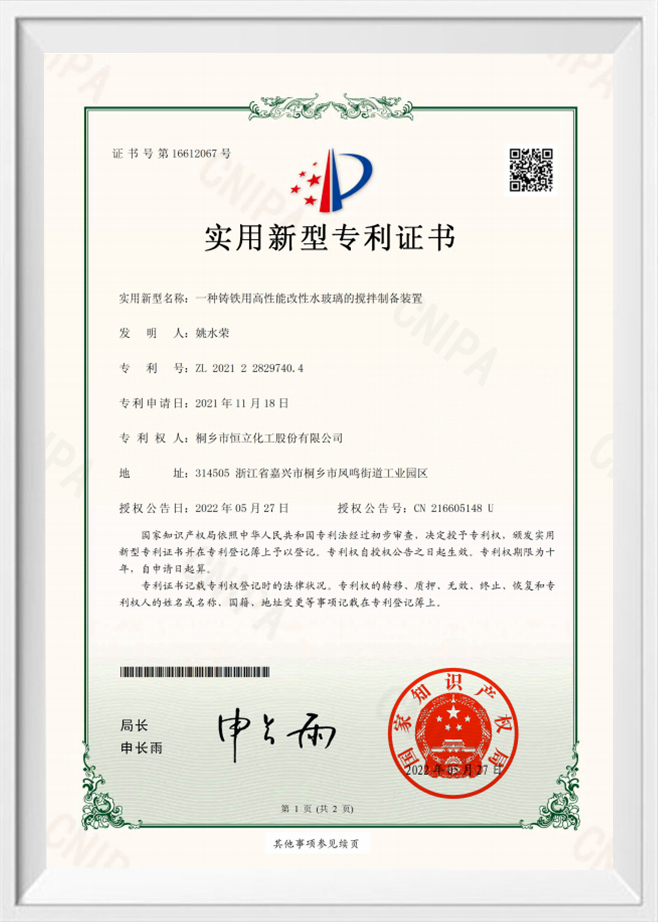
اخبار
-
مقدمه ساخت سیلیکات پتاسیم راه حل ها در صنایع مختلف مانند کشاورزی، ساخت و ساز و مهندسی شیمی نقش محوری دارند. این محلولها که عمدتاً از ترکیب هیدروکسید پتاسیم (KOH) با سیلیس ساخته میشوند، د...
ادامه مطلب -
مقدمه در سال های اخیر، به دلیل تمرکز روزافزون بر دوام و حفاظت در صنایع مختلف، تقاضا برای محصولات ضد آب با کارایی بالا به شدت افزایش یافته است. یکی از حیاتی ترین عناصر در دستیابی به عملکرد استثنایی دفع آ...
ادامه مطلب -
مقدمه پودر سیلیکات سدیم که معمولاً به عنوان شیشه آب یا شیشه مایع در شکل مایع آن شناخته می شود، یک ترکیب بسیار همه کاره با طیف گسترده ای از کاربردها در صنایع مختلف است. این پودر سفید یا کمی ...
ادامه مطلب
بازخورد پیام
سیلیکا سول دانش صنعت
How Does the Bonding Property of Nano Silica Sol Achieve High-Strength Joints in Precision Casting?
I. Bonding Mechanism of Nano Silica Sol: From Micro-Penetration to Chemical Cross-Linking
The core component of Nano Silica Sol is amorphous silica particles (molecular formula: mSiO₂·nH₂O), and its bonding properties result from the synergistic effect of multiple mechanisms:
Nano-level Penetration and Filling Effect
Due to its extremely small particle size, Nano Silica Sol can rapidly penetrate into the micro-pores of casting materials such as wax patterns, molding sands, and ceramic slurries, forming a "nano-anchoring" structure. For example, in investment casting, when Nano Silica Sol is applied as a binder to the surface of a wax pattern, the nano-particles embed themselves into the molecular gaps of the wax pattern surface. After drying, a mechanical interlocking structure is formed, significantly enhancing the adhesion between the coating and the substrate.
Surface Hydroxyl Chemical Adsorption
The surfaces of silica particles are rich in hydroxyl (-OH) groups, which can form hydrogen bonds or covalent bonds with the polar groups on the surfaces of materials like metal oxides and ceramics. This chemical adsorption is particularly critical in shell preparation. When Nano Silica Sol contacts refractory materials (such as quartz sand and mullite), the hydroxyl groups form Si-O-M (M represents metal elements) covalent bonds through dehydration condensation reactions, achieving molecular-level strong bonding.
Gel Solidification Enhancement Effect
Nano Silica Sol gels under acidic or alkaline conditions, forming a three-dimensional network structure. In precision casting, by adjusting the pH value or adding curing agents (such as ammonium salts), Nano Silica Sol can rapidly solidify into a hard silica gel, tightly bonding dispersed refractory particles into a whole. This gel structure not only provides mechanical support but also further improves the bonding strength through van der Waals forces between nano-particles.
II. Technical Advantages in Precision Casting: From Process Optimization to Performance Breakthroughs
Compared with traditional binders (such as sodium silicate and resins), the application of Nano Silica Sol in precision casting shows significant advantages:
Balance of High Strength and Low Shrinkage
Traditional sodium silicate binders are prone to shrinkage cracks due to water evaporation during solidification. In contrast, the nano-level particle filling of Nano Silica Sol reduces porosity, and the elastic deformation ability of the gel network reduces internal stress, ensuring the integrity of the shell after high-temperature roasting. Data shows that the flexural strength of shells prepared with Nano Silica Sol can reach 15 - 20 MPa, an increase of over 30% compared to traditional processes.
High-Temperature Stability and Erosion Resistance
In precision casting, the shell must withstand the scouring of molten metal at temperatures above 1000°C. The silica skeleton formed by Nano Silica Sol has excellent high-temperature resistance (melting point up to 1713°C), and the close packing of nano-particles suppresses the penetration of molten metal, avoiding sand adhesion defects. For example, in the casting of high-temperature alloys for aerospace, the erosion resistance of Nano Silica Sol shells has been verified through multiple actual casting tests.
Adaptability to Complex Structures
The low viscosity (usually < 50 mPa·s) of Nano Silica Sol allows it to be evenly coated on the surface of complex wax patterns, even penetrating into tiny grooves less than 0.1 mm deep. This excellent coating property makes Nano Silica Sol perform outstandingly in the production of castings with fine internal cavity structures, such as turbine blades and engine blocks, solving the problem of uneven coating caused by insufficient fluidity of traditional binders.
III. Practical Application Case: Technology Implementation with Tongxiang Hengli Chemical Co., Ltd. as an Example
As an important player in China's inorganic silicon materials field, Tongxiang Hengli Chemical Co., Ltd. has further optimized the bonding performance of Nano Silica Sol through technological innovation. Relying on national-level technical talents and a senior R & D team, the company has developed Nano Silica Sol products with multiple moduli (1.0 - 3.8) and high concentrations (20% - 40% SiO₂), meeting the needs of different casting processes.
In a precision casting project of an auto parts manufacturer, after replacing traditional sodium silicate binders with Nano Silica Sol products from Hengli Chemical, the shell rejection rate decreased from 12% to 5%, and the surface roughness (Ra) of castings improved from 12.5 μm to 6.3 μm. This improvement benefits from the nano-level penetration ability of Nano Silica Sol and precise modulus control. By adjusting the modulus of Nano Silica Sol (the molar ratio of silica to alkali metal oxides), the gelation rate and final strength can be flexibly controlled, adapting to the rapid molding requirements of automated production lines.
In addition, Hengli Chemical's products have passed the ISO 9001 quality management system certification. The application of its Nano Silica Sol in precision casting has covered multiple high-end fields, including aerospace, automotive manufacturing, and medical devices, becoming a benchmark for technical reliability in the industry.
IV. Future Trends: The Integration of Nanotechnology and Green Casting
With the strengthening of environmental regulations and the popularization of intelligent manufacturing, the application of Nano Silica Sol in precision casting will show two major trends:
Green Upgrades without Aldehydes and Phenols
Traditional resin binders release harmful substances such as formaldehyde at high temperatures. In contrast, Nano Silica Sol, with water as the dispersion medium, is non-toxic and odorless, meeting environmental standards such as EU REACH, and is becoming the preferred material for "green casting."
Adaptation to Intelligent Production
Combined with Internet of Things (IoT) technology, the automated control of the binder coating process can be achieved by online monitoring parameters such as the viscosity and pH value of Nano Silica Sol, further improving the casting yield. For example, the Nano Silica Sol products supporting Hengli Chemical's intelligent production lines have achieved precise control of modulus and concentration, providing support for the digital transformation of casting processes.

محصولات
سیلیکات سدیم سیلیکات پتاسیم سیلیکات لیتیوم متیل سیلیکات سدیم متیل سیلیکات پتاسیم سیلیکا سول پوشش ها و چسب های معدنی سیستم کفپوشتماس
Add:شماره 7 جاده Jiaye، شهر Tongxiang، استان ژجیانگ، چین تلفن:15257095913-86+ Tel: +86-0573-88980238 Mob: +86-0573-88980238 ایمیل:[email protected]
حق نشر © 2024 Tongxiang Hengli Chemical Co., Ltd. تمامی حقوق محفوظ است.
تولید کنندگان عمده نانو سیلیکا سول
